

Table of Contents
How to Save Money on International Flights
One of the most common questions travelers ask when planning how to save money on international flights. Airfare is often the biggest travel expense, especially during peak travel seasons. The good news is that finding affordable tickets is not just a matter of luck. With careful planning, timely booking, and a few smart travel strategies, you can significantly reduce the cost of your international flights.
Whether you’re planning a family vacation, a solo adventure, a business trip, or a honeymoon, the money you save on airfare can make your journey even more rewarding. Instead of spending more on transportation, you can use those savings to enjoy unique experiences, local cuisine, sightseeing, and memorable activities at your destination.
In this guide, you’ll discover practical and proven tips for finding affordable international flights, helping you plan your next overseas trip without compromising on comfort or convenience.
Why International Flights Are So Expensive
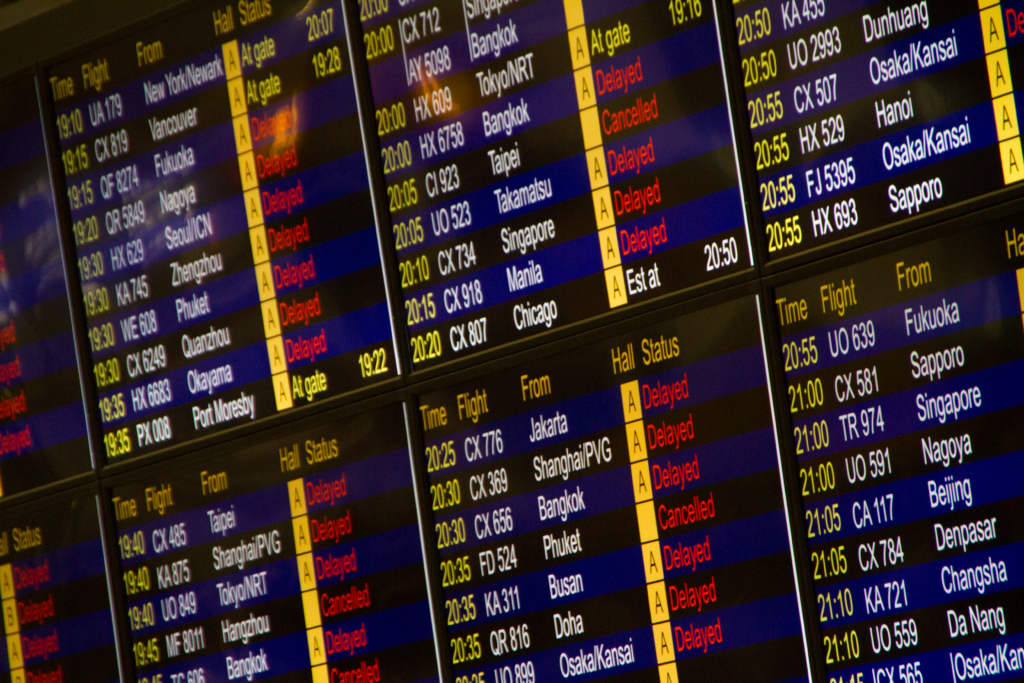
Understanding why airfare costs fluctuate helps you make better booking decisions.
Several factors influence international ticket prices:
- Seasonal demand
- Fuel prices
- Airline competition
- Route popularity
- Airport taxes
- Currency exchange rates
- Seat availability
- Booking timing
For example, flight ticket prices usually increase during busy travel periods such as school holidays, Christmas, New Year, and the summer vacation season, as demand is significantly higher during these times.
Similarly, direct flights often cost more than connecting flights because they save travel time and are generally considered more convenient.
Understanding these factors in advance allows you to plan your trip more effectively and, whenever possible, avoid paying higher fares than necessary.
Plan Your Trip Early
One of the easiest and most effective ways to save money on international travel is to start planning your flights well in advance.
Most airlines release their tickets around 10 to 12 months before the departure date. During this early booking period, fares are often lower because airlines encourage advance bookings as they gradually fill available seats.
Benefits of early planning include:
- Better ticket prices
- More flight options
- Preferred seat selection
- Easier hotel planning
- Lower overall travel costs
If your travel dates are already fixed, it is best to book your international flight at least 2 to 6 months in advance.
Waiting until the last minute often means paying significantly higher fares, especially for popular destinations and during peak travel seasons. Booking early not only helps you secure better prices but also gives you a wider selection of flights to choose from.
Expert Tip
If you plan to travel during holidays or festive seasons, try to book your flights as early as possible. Doing so increases your chances of securing the best fares while giving you a wider range of flight options to choose from.
Book Flights at the Right Time
Timing plays a significant role in determining airfare prices.
While there is no single day that is always the cheapest to book a flight, purchasing your tickets several weeks or months before departure generally gives you a better chance of securing lower fares than waiting until the last minute.
Many travel experts also recommend searching for flights and comparing prices on weekdays. During this time, demand is often more stable, making it easier to find better options and more competitive fares.
Best Practices
- Book international trips several months in advance.
- Avoid booking one or two weeks before departure.
- Monitor prices regularly.
- Compare fares before making a final decision.
Keep in mind that airfare prices change constantly due to passenger demand and airline pricing algorithms.
By staying patient, monitoring fares regularly, and booking at the right time, you can significantly improve your chances of finding a better deal at a more affordable price.
Compare Prices Across Multiple Flight Search Engines
Don’t rush to book the very first flight you see.
The same flight can be priced differently across booking platforms due to airline partnerships, special promotions, promotional discounts, or varying booking fees.
Instead, use popular flight comparison websites. They allow you to compare fares from hundreds of airlines within seconds, making it much easier to find the option that best suits your budget and travel needs.
When comparing flights, pay attention to:
- Total ticket price
- Baggage allowance
- Cancellation policy
- Change fees
- Layover duration
- Airport transfers
- Cabin baggage limits
A ticket that appears inexpensive at first may end up costing more once baggage fees, seat selection charges, or other service fees are added during checkout.
Before confirming your booking, always compare the final total price to understand the actual cost and avoid any unexpected expenses later.
Pro Tip
After checking fares on a flight comparison website, be sure to visit the airline’s official website as well. In some cases, the same ticket may be available at a lower price, or it may include additional benefits such as more flexible booking policies, complimentary seat selection, or other exclusive perks.
Set Fare Alerts
If your travel dates are flexible, using fare alerts is a great way to save both time and money.
Many flight search websites allow you to set up price alerts for specific routes. Instead of checking airfares every day, you’ll receive notifications whenever ticket prices change, making it easier to book your flight at the right time and secure a lower fare.
Benefits include:
- Never miss a discount
- Track seasonal price trends
- Compare airlines easily
- Book when prices drop
This strategy is especially effective for long-haul international flights, where ticket prices can fluctuate significantly over several weeks. Keeping track of fare changes increases your chances of booking at the right time and securing a better deal.
Be Flexible with Travel Dates
Flexibility can be one of your greatest advantages when searching for affordable airfare.
In many cases, shifting your departure or return date by just one or two days can result in a significant difference in ticket prices.
Similarly, midweek flights are often less expensive than weekend departures because fewer people travel during those days. Even a small amount of flexibility can greatly improve your chances of finding a better fare.
Consider:
- Flying on Tuesday or Wednesday
- Returning on weekdays
- Avoiding public holidays
- Traveling during shoulder seasons
Small changes to your travel dates can lead to substantial savings, especially on long-haul international flights. If your schedule is flexible, comparing fares across different departure and return dates can help you find a much more affordable option.
Use Nearby Airports
Most travelers search for flights only from the airport closest to them.
However, checking nearby departure or arrival airports can often reveal more affordable options.
For example, flying out of a neighboring city or arriving at an alternative airport near your destination can significantly reduce your airfare. If you don’t mind a little extra travel time, this simple strategy can be an effective way to save money.
Before choosing an alternate airport, compare:
- Transportation costs
- Travel time
- Parking fees
- Hotel expenses (if needed)
In some cases, traveling a little farther to take advantage of a lower airfare is well worth it. In others, the additional travel costs may outweigh the savings on the ticket.
Instead of focusing only on the airfare, always calculate the total cost of your trip—including local transportation, extra travel time, and any additional expenses—to ensure you’re choosing the most cost-effective option.
Travel During the Off-Season to Save More
One of the most effective ways to reduce the cost of international travel is to plan your trip during the off-season. When demand is lower, airlines often reduce their fares, making it much easier to find affordable tickets.
In contrast, airfare is usually more expensive during peak travel periods such as the summer holidays, Christmas, New Year, and other major holiday seasons, when a large number of people are traveling. If your schedule is flexible, consider traveling during the shoulder season or off-peak season. Not only can you find cheaper flights, but you’ll also encounter fewer crowds, making your overall travel experience more relaxed and enjoyable.
Benefits of Off-Season Travel
- Lower airfare
- More affordable hotels
- Less crowded tourist attractions
- Better availability for tours and activities
- A more relaxed travel experience
For example, visiting Europe in early spring or late autumn instead of during the busy summer season can often save you a significant amount on flights and other travel expenses. As an added bonus, you’ll usually enjoy fewer crowds and more pleasant weather, making your trip even more enjoyable.
Pro Tip
Before booking your trip, be sure to research the weather and any major events taking place at your destination. In many places, the off-season still offers pleasant weather, allowing you to enjoy your trip at a lower cost while avoiding large crowds.
Join Airline Reward Programs
If you travel by air from time to time, it’s worth taking advantage of airline loyalty programs. Ignoring them could mean missing out on valuable savings.
Most major airlines offer free membership, allowing you to earn points or miles every time you fly. These rewards can later be redeemed for discounted flights, seat upgrades, airport lounge access, extra baggage allowance, and other travel benefits.
Even if you only travel internationally once or twice a year, the points you accumulate over time can add up and help you save significantly on future trips..
Advantages of Loyalty Programs
- Free flight rewards
- Seat upgrades
- Priority boarding
- Extra baggage allowance
- Exclusive member discounts
- Promotional offers
Whenever possible, use the same airline alliance to maximize your reward points.
Use Travel Credit Card Rewards
Many travel-focused credit cards allow you to earn reward points or travel miles on your everyday purchases. Over time, these points can accumulate and be redeemed for flights, hotel stays, or other travel-related benefits, helping you save significantly on future trips.
These points can often be redeemed for:
- International flight tickets
- Airport lounge access
- Hotel bookings
- Travel insurance
- Airline upgrades
If you use a credit card regularly and pay your balance in full each month, travel rewards can be an effective way to reduce your overall travel expenses. Over time, the points or miles you earn can be redeemed for flights, hotel stays, and other travel-related benefits, helping you save on future trips.
Things to Consider
Before applying for a travel rewards card, compare:
- Annual fees
- Reward earning rates
- Foreign transaction fees
- Airline partnerships
- Redemption flexibility
Choose a travel rewards card that matches your travel habits and spending patterns. Rather than selecting a card based solely on attractive promotional offers, make sure its rewards, benefits, and redemption options are genuinely valuable and easy for you to use.
Consider Budget Airlines for International Routes
Budget airlines have made international travel more affordable than ever before.
While low-cost carriers often don’t include complimentary meals, checked baggage, or other extras, they typically offer significantly lower base fares than traditional airlines.
If you’re traveling with only carry-on luggage and don’t need additional services, choosing a budget airline can help you save a considerable amount on your airfare.
Before Booking a Budget Airline
Always review:
- Cabin baggage limits
- Checked baggage fees
- Seat selection charges
- Meal costs
- Airport location
- Flight change policies
A ticket that appears inexpensive at first can become much more expensive once you add baggage, seat selection, or other optional services. That’s why it’s always wise to compare the total cost of a flight rather than focusing only on the initial fare.
Expert Advice
Before deciding whether a budget airline is truly the most cost-effective option, don’t focus solely on the advertised fare. Compare the total cost of your trip—including baggage fees, seat selection, meals, and any other additional charges—to ensure you’re choosing the option that offers the best overall value.
Mix Airlines Instead of Booking Round Trips
Many travelers choose to book their entire round-trip journey with the same airline for convenience.
However, combining one-way flights from different airlines can sometimes be a more affordable option. Comparing different combinations can help you find lower fares and a flight schedule that better suits your travel plans.
For example:
- Outbound flight with Airline A
- Return flight with Airline B
This approach gives you greater flexibility and allows you to choose the most affordable flight option for each part of your journey.
When comparing flights, don’t assume that a round-trip ticket will always be the cheapest choice. Instead, calculate the total cost of your entire trip and select the option that offers the best balance of savings, convenience, and comfort.
Consider Flights with Layovers
Direct flights are undoubtedly more convenient, but that convenience often comes at a higher price.
In comparison, connecting flights with one or two stopovers are frequently much cheaper than non-stop routes.
If saving money is your top priority and you don’t mind spending a little extra time traveling, choosing a connecting flight can significantly reduce your airfare.
Advantages
- Lower ticket prices
- More destination options
- Opportunity to explore another city during long layovers
Things to Watch
- Minimum connection time
- Visa requirements for transit countries
- Baggage transfer policies
- Airport changes during layovers
Careful planning can help you avoid unnecessary stress during connecting flights. Allowing enough time between connections and understanding your itinerary in advance can make your journey much smoother and more comfortable.
Understand Hidden-City Ticketing (With Caution)
Hidden-city ticketing is a travel strategy in which a passenger books a flight to a destination beyond their intended stop and simply ends the journey at the layover city instead of taking the final leg of the trip.
While this approach can sometimes reduce airfare, it also comes with several important risks and limitations that should be carefully considered before using it.
Potential Risks
- Airlines may cancel the remaining itinerary.
- Checked baggage usually continues to the final destination.
- Frequent flyer accounts could be affected.
- Airline policies generally discourage this practice.
Given the potential risks and limitations, it’s important to fully understand how hidden-city ticketing works before considering this strategy.
For most travelers, booking flights through conventional methods remains the safer, more reliable, and less stressful option.
Look for Student, Senior, and Youth Discounts
Many airlines and travel agencies offer discounted international fares for specific groups of travelers. If you qualify, taking advantage of these special offers can help reduce the overall cost of your trip.
You may qualify if you are:
- A student
- A young traveler
- A senior citizen
- A member of certain organizations
These discounts may include:
- Reduced airfare
- Flexible ticket changes
- Extra baggage allowance
- Lower cancellation fees
Always verify eligibility requirements before booking.
Book Group Travel Strategically
When traveling with family or friends, it’s not always necessary to book all tickets in a single reservation.
Airlines use dynamic pricing, and the lowest fares are often available for only a limited number of seats.
As a result, searching for multiple passengers at once may display only higher-priced fares, while some lower-priced seats may still be available if booked separately.
Better Strategy
- Compare prices for individual tickets.
- Compare prices for group bookings.
- Calculate the total cost before purchasing.
In many cases, this small extra effort can lead to significant savings on your overall travel expenses.
Avoid Common Booking Mistakes
Even experienced travelers can make small mistakes that unnecessarily increase the overall cost of their trip.
Here are some of the most common mistakes to avoid if you want to keep your travel expenses under control.
Booking at the Last Minute
Unless an airline is running a special promotion or a last-minute sale, waiting until the final week to book your ticket is usually more expensive. Booking in advance generally gives you access to lower fares and a wider selection of flight options.
Ignoring Extra Fees
Always review additional charges, including:
- Checked baggage
- Seat selection
- Meals
- Airport transfers
- Booking service fees
A cheaper fare isn’t always the most economical option.
Not Comparing Prices
Relying on just one booking website isn’t always the best approach.
Instead, compare fares across multiple platforms. Prices and special offers can vary from one website to another, and comparing your options can help you find the most affordable and best-value flight for your trip.
Forgetting Passport Validity
Many countries require your passport to remain valid for at least six months beyond your date of arrival.
If you don’t check your passport’s validity in advance, renewing it at the last minute can lead to unnecessary stress and additional expenses. Before making any travel plans, make sure your passport meets the entry requirements for your destination.
Booking Without Reading the Cancellation Policy
Unexpected changes happen.
Before confirming your reservation, review:
- Refund rules
- Flight change fees
- Cancellation policies
- Travel insurance options
Understanding these details can save money if your plans change.
Expert Travel Hacks to Save Even More
Experienced travelers rarely rely on just one money-saving technique. Instead, they combine several smart strategies to maximize their savings. This approach helps them secure better deals and keep their overall travel expenses as low as possible.
Here are a few practical habits:
- Compare flights over several days before booking.
- Use fare alerts to monitor price changes.
- Keep travel dates flexible whenever possible.
- Consider nearby airports.
- Pack light to avoid baggage fees.
- Redeem airline miles whenever available.
- Book accommodation and flights separately if it offers better value.
- Travel during shoulder seasons for lower prices and fewer crowds.
The more flexible and well-informed you are, the greater your chances of finding affordable international flights and better travel deals.
Key Takeaways
Saving money on international flights is not about luck—it’s about planning ahead and making informed decisions.
By booking early, comparing fares across different platforms, staying flexible with your travel dates, taking advantage of airline loyalty programs, using travel rewards, and avoiding unnecessary fees, you can significantly reduce your travel costs without compromising on comfort or convenience.
These proven strategies can help both first-time and experienced travelers find better, more affordable international flight deals throughout the year.
Frequently Asked Questions (FAQs)
1. What is the best way to save money on international flights?
One of the best ways to save money on international flights is to book several months in advance, compare fares across multiple flight search platforms, set up price alerts, and stay flexible with your travel dates whenever possible. Using these strategies together typically gives you the best chance of finding the most affordable flight deals.
2. How many months in advance should I book an international flight?
For most international destinations, booking your flight about 2 to 6 months before your departure offers the best balance between price and availability. If you’re planning to travel during holidays, festivals, or the peak tourist season, it’s wise to book even earlier to secure better fares and a wider choice of flight options.
3. Are direct flights always more expensive?
Direct flights are not always more expensive, but in most cases they cost more because they save time and offer greater convenience. In contrast, connecting flights with one or more layovers are often significantly more affordable, especially on long-haul international routes, where they can help you save a substantial amount on airfare.
4. Do flight prices decrease closer to the departure date?
In most cases, the answer is no. As your departure date approaches, international flight prices generally increase because fewer seats are available and demand tends to be higher.
For this reason, waiting until the last minute is usually not the most cost-effective strategy. Lower fares are typically available only when airlines run special promotions, flash sales, or limited-time last-minute offers.
5. Are budget airlines safe for international travel?
Yes, most budget airlines follow the same aviation safety standards as full-service carriers. The main differences lie in their services and pricing structure—not in their safety.
However, budget airlines often charge extra for services such as checked baggage, meals, seat selection, and flight changes. That’s why it’s important to compare the total cost of your trip, including any additional fees, rather than focusing only on the advertised base fare before booking.
6. Do airline reward programs really help save money?
Absolutely. Frequent flyer programs allow you to earn miles or reward points every time you travel. These rewards can later be redeemed for discounted or free flights, seat upgrades, extra travel perks, and other valuable benefits.
Membership in these programs is usually free, so if you travel by air from time to time, joining one can be a smart way to save money and enjoy additional benefits on future trips.
7. Is it cheaper to book one-way tickets instead of a round trip?
In many cases, booking separate one-way tickets with different airlines can be more affordable than purchasing a traditional round-trip ticket from a single airline. That’s why it’s always a good idea to compare both options—including the total trip cost—before making your final booking.
8. Which months are generally the cheapest for international travel?
The most affordable time to travel depends on your destination, but in general, the shoulder season—typically during spring and autumn—offers lower airfares and hotel rates than the peak holiday season.
To maximize your savings, research your destination’s travel calendar, weather, and major local events in advance. Choosing the right time to visit can help you enjoy a better travel experience while taking advantage of more affordable deals.
Conclusion
Saving money on international flights doesn’t require complicated tricks—it simply comes down to smart planning and informed decisions. By booking your tickets in advance, comparing fares across multiple platforms, traveling during the off-season, joining airline loyalty programs, and keeping your travel dates flexible, you can significantly reduce your travel expenses without sacrificing a great travel experience.
At the same time, remember that the cheapest ticket isn’t always the best value. Before making your final booking, consider factors such as baggage fees, layover times, airport transfers, and ticket change or cancellation policies. Spending a little extra time researching your options can save you both money and unnecessary stress later.
Whether you’re planning your first international vacation or you’re a frequent traveler, these practical strategies can help you make the most of your travel budget while enjoying a smoother and more rewarding journey.
Now it’s time to start planning your next adventure. Compare flight prices, set up fare alerts, and book with confidence. The money you save on airfare can be spent on unforgettable experiences, local cuisine, and memorable activities that make your trip truly worthwhile.