
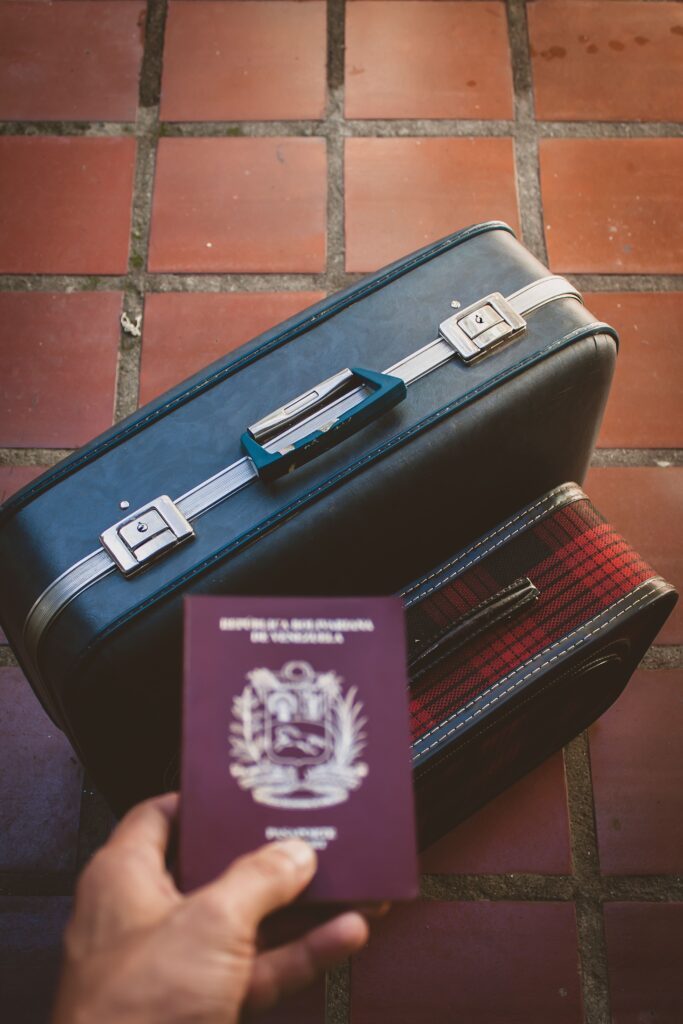
Preparing for your first international trip is exciting, but careful planning is just as important as the destination itself. A well-organized travel checklist can make your journey smoother, more enjoyable, and free from unnecessary stress. Many first-time travelers overlook essential preparations in the excitement of traveling abroad, which can lead to avoidable problems later. From checking the validity of your passport and visa to packing wisely, keeping important documents handy, and understanding airport procedures in advance, every small step helps ensure a comfortable, hassle-free, and memorable travel experience.
Whether you’re traveling abroad for a vacation, starting your studies in another country, heading on a business trip, or visiting family and friends, proper planning can make your journey much smoother. Preparing in advance helps you avoid unnecessary delays, unexpected expenses, and the stress of last-minute arrangements. This guide covers everything you need to know before boarding your first international flight, presenting essential travel tips in a simple and easy-to-follow way. With the right preparation, you can begin your overseas journey with confidence and enjoy a comfortable, hassle-free, and memorable travel experience from start to finish.
Table of Contents
Why You Need a First International Trip Checklist
International travel requires far more planning and preparation than a domestic trip. Every country has its own entry requirements, customs regulations, currency system, and health guidelines that travelers should understand before departure. Missing an important document or overlooking a required formality can lead to unexpected delays, travel disruptions, or even being denied boarding. Taking the time to review all your travel documents and destination-specific requirements in advance is one of the smartest ways to ensure a smooth, stress-free international journey.
A well-prepared checklist helps you:
- Stay organized before departure.
- Avoid forgetting essential documents.
- Reduce travel-related stress.
- Save money by preventing last-minute purchases.
- Feel more confident throughout your journey.
When you’re well prepared before leaving for the airport, there’s no need to rush or panic at the last minute. You’ll know exactly what you’ve packed, which essential documents you’re carrying, and everything you’ll need during your journey. Being organized also makes the check-in, security screening, and boarding process much smoother, allowing you to start your trip with confidence and without unnecessary stress.
First International Trip Checklist for Stress-Free Travel
A well-prepared checklist is extremely helpful in making your first international trip stress-free. It should include all essential items such as your passport, visa, travel insurance, flight tickets, accommodation details, necessary packing items, local currency, and important documents. Having a clear checklist helps you avoid last-minute rush, manage your time better, and travel with greater confidence. Proper preparation plays a key role in making your first overseas journey smooth, organized, and completely hassle-free.
Passport Essentials
Your passport is the most important document you’ll carry during an international trip. It serves as your official proof of identity and citizenship and is essential for entering most countries and completing international travel. Before you leave, make sure your passport is valid, in good condition, and stored safely throughout your journey.
Before booking your trip, make sure:
- Your passport is valid for at least six months beyond your travel dates.
- There are enough blank pages for immigration stamps.
- Your passport is in good physical condition.
- The name on your passport exactly matches your flight ticket.
It’s also a good idea to:
- Make digital copies of your passport.
- Keep printed photocopies in your luggage.
- Store scanned copies securely in cloud storage for easy access.
If your passport is lost or stolen during your trip, having backup copies can be extremely valuable. Keeping both digital and printed copies of your passport can help verify your identity, make it easier to seek assistance from your embassy or consulate, and speed up the process of obtaining a replacement passport or an emergency travel document.
Visa Requirements
Not every country allows visa-free entry, so it’s important to check the entry requirements before booking your flight. Find out whether your destination requires a regular visa, an e-Visa, a visa on arrival, or any other travel authorization. Verifying these requirements in advance helps you avoid last-minute complications and ensures a smooth and hassle-free start to your international journey.
- Tourist Visa
- Visa on Arrival
- eVisa
- Transit Visa
Visa processing times can range from a few days to several weeks, depending on your destination and the type of visa you need. For this reason, it’s always best to apply as early as possible once your travel plans are confirmed. Applying in advance gives you enough time to handle any unexpected delays and helps you avoid unnecessary stress or last-minute travel issues.
Before submitting your application, double-check that you have:
- Valid passport
- Passport-size photographs
- Flight itinerary
- Hotel reservations
- Financial proof
- Required application forms
Keeping both printed and digital copies of your visa approval can save time during immigration checks.
Travel Insurance
Many first-time international travelers skip travel insurance because they assume they won’t need it. However, unexpected situations such as medical emergencies, flight cancellations, delayed baggage, or lost luggage can happen to anyone. A good travel insurance policy can provide financial protection and help reduce the stress that comes with these unforeseen events. Investing in suitable travel insurance before your trip is a smart decision that can give you greater peace of mind throughout your journey.
A comprehensive travel insurance policy can cover:
- Emergency medical treatment
- Hospitalization
- Trip cancellation
- Flight delays
- Lost baggage
- Personal liability
- Emergency evacuation
Before purchasing insurance, carefully read the policy exclusions and understand what is and isn’t covered.
Flight Booking Tips
When booking a flight, choosing the cheapest fare isn’t always the best option. In addition to the ticket price, it’s important to consider factors such as baggage allowance, total travel time, layover duration, airline services, and the airline’s cancellation or change policies. Comparing these details can help you choose a flight that offers better value and ensures a more comfortable, convenient, and hassle-free travel experience.
Before confirming your ticket, review:
- Baggage allowance
- Cabin baggage size
- Airline cancellation policy
- Transit duration
- Airport change during layovers
- Seat selection options
Whenever possible, choose flights with enough layover time, especially if you’re traveling internationally for the first time. A longer connection gives you plenty of time to clear immigration, complete security checks, change terminals if necessary, and reach your next gate without feeling rushed. On the other hand, very short layovers can increase the risk of missing your connecting flight if your first flight is delayed. Allowing extra time between flights can make your journey much more relaxed, convenient, and stress-free.
After booking:
- Download your e-ticket.
- Save your booking confirmation.
- Complete online check-in when available.
- Download your boarding pass if the airline allows it.
Packing Checklist
Packing smart can make your trip much easier and more comfortable. Bringing only the essentials keeps your luggage lighter, helps you avoid excess baggage fees, and makes it easier to carry and manage your bags throughout your journey. Thoughtful packing allows you to travel more efficiently without the burden of unnecessary weight, making your overall travel experience smoother and more enjoyable.
Clothing
Pack clothes based on your destination’s weather.
Include:
- Comfortable shirts
- Trousers or jeans
- Undergarments
- Sleepwear
- Socks
- Light jacket
- Comfortable walking shoes
- Flip-flops
If you’re traveling to a cold destination or a mountainous region, be sure to pack appropriate winter clothing in advance. Essentials such as thermal wear, warm gloves, woolen hats, thick socks, and a good-quality winter jacket will help keep you warm throughout your trip. Dressing for the weather not only protects you from the cold but also ensures a more comfortable, healthy, and enjoyable travel experience.
Toiletries
Carry travel-sized toiletries such as:
- Toothbrush
- Toothpaste
- Shampoo
- Soap
- Moisturizer
- Sunscreen
- Razor
- Hairbrush
When packing your carry-on luggage, remember that most airlines enforce strict rules for carrying liquids. In general, liquids must be stored in small containers and meet the airline’s permitted limits. Before your trip, check your airline’s baggage policy to ensure you comply with the regulations and avoid unnecessary delays or issues during airport security screening.
Electronics
Don’t forget:
- Mobile phone
- Laptop (if required)
- Camera
- Chargers
- Power bank
- Universal travel adapter
- Earphones
A universal travel adapter is an essential item for international travel because electrical plugs and power outlets vary from one country to another. It allows you to charge your smartphone, laptop, camera, and other electronic devices without worrying about whether your charger is compatible with the local sockets. Packing a reliable universal travel adapter before your trip will help you stay connected and keep your devices powered wherever you go.
Medicines
Carry enough prescription medicines for your entire trip.
Also pack:
- Pain relievers
- Motion sickness tablets
- Allergy medication
- Bandages
- Hand sanitizer
- Thermometer
If you’re carrying prescription medication, always keep it in its original packaging. This makes it easier to identify the medicine and can help prevent issues during airport security checks or customs inspections. Whenever possible, carry a copy of your doctor’s prescription or any relevant medical documents, especially if the medication is required for an ongoing medical condition.
Carry-On Essentials
Your carry-on bag should contain all the essential items you may need during your flight or in case your checked luggage is delayed. It’s a good idea to keep your passport, travel documents, medications, phone charger, essential electronic devices, a change of clothes, basic toiletries, and any other important personal items within easy reach. Being prepared with these essentials ensures you can continue your journey comfortably, even if unexpected travel delays occur.
Essential items include:
- Passport
- Boarding pass
- Visa documents
- Wallet
- Credit and debit cards
- Mobile phone
- Chargers
- Headphones
- Power bank
- Snacks
- Reusable water bottle (empty before security)
- Travel pillow
- Pen for immigration forms
- Light sweater
Never place valuable items such as your passport, cash, jewelry, laptop, phone, important documents, or other essential belongings in your checked luggage. Always keep these items in your carry-on bag or personal item so they remain with you throughout your journey. This simple precaution can protect you from unnecessary inconvenience if your checked baggage is delayed, misplaced, or lost.
Money and Currency Tips
Managing your money wisely is an important part of a successful international trip. Planning your finances in advance can help you avoid unnecessary bank fees, unexpected expenses, and financial stress while traveling. Using a balanced combination of cash, credit or debit cards, and other payment methods gives you greater flexibility and makes your journey safer, more convenient, and hassle-free.
Before leaving:
- Inform your bank about your travel plans.
- Enable international transactions on your cards.
- Carry a combination of cash and cards.
- Exchange a small amount of local currency before departure.
- Download a reliable currency conversion app.
Unless it’s absolutely necessary, avoid exchanging money at airport currency exchange counters, as they often offer less favorable exchange rates and may charge higher service fees. Instead, consider getting foreign currency from a trusted bank or an authorized exchange provider before your trip. It’s also a good idea to keep a small amount of emergency cash separate from your main wallet. This extra precaution can be extremely helpful if your wallet is lost or stolen, ensuring you still have access to money for essential expenses.
International SIM and Internet
Staying connected while traveling abroad is essential for navigation, communication, and handling emergencies. Reliable internet and mobile connectivity make it easier to find directions, communicate with locals, make online payments, access travel information, and seek help quickly if needed. Before your trip, consider the best connectivity option for your destination, such as international roaming, a local SIM card, or an eSIM, to ensure a smooth and hassle-free travel experience.
Before your trip, consider your options:
- International roaming from your home provider
- Local SIM card at your destination
- eSIM services (if your phone supports them)
- Portable Wi-Fi device
Download essential apps before departure, including:
- Maps
- Translation app
- Airline app
- Hotel booking app
- Currency converter
- Offline navigation
If you don’t have internet access immediately after arriving at your destination, downloaded offline maps can be incredibly useful. They allow you to navigate, find important locations, and explore your surroundings without needing a mobile data or Wi-Fi connection. Downloading maps for your destination before you travel is a simple step that can save time, reduce stress, and help you get around with confidence from the moment you arrive.
Frequently Asked Questions (FAQs)
1. What should be included in a first international trip checklist?
For first-time international travelers, having a well-prepared travel checklist is essential. It should include a valid passport, the required visa (if applicable), travel insurance, flight tickets, hotel booking confirmations, important travel documents, local currency, regular medications, weather-appropriate clothing, electronic devices and their chargers, as well as emergency contact information. Taking care of these essentials before your departure helps make your trip safer, more organized, and stress-free, allowing you to enjoy your international travel experience with confidence.
2. How early should I arrive at the airport for an international flight?
It is generally recommended that you arrive at the airport at least three hours before your scheduled international flight departure. This gives you enough time to complete check-in, baggage drop, security screening, immigration, and boarding procedures without any rush. Arriving early also helps you avoid last-minute stress and unnecessary delays, ensuring a smoother and more comfortable start to your journey.
3. Do I need travel insurance for my first international trip?
Although travel insurance is not mandatory for every destination, it is still strongly recommended. It provides financial protection in case of unexpected situations such as medical emergencies, trip cancellations, flight delays, or lost luggage. Having travel insurance helps ensure that your journey remains safer, more secure, and stress-free, giving you greater peace of mind throughout your trip.
4. What documents should I carry while traveling internationally?
Always carry copies of your important documents, including your passport, required visa (if applicable), boarding pass, travel insurance details, hotel reservations, return flight ticket, identification documents, and any other essential paperwork. For added safety, it is wise to keep both digital and printed copies with you. This simple precaution ensures that you can handle any situation smoothly if your original documents are lost or unavailable.
5. How much cash should I carry on an international trip?
It’s useful to carry a small amount of local currency for immediate expenses upon arrival, such as transportation and food. However, for larger purchases or payments, using an international debit or credit card is generally safer and more convenient than carrying large amounts of cash. This not only enhances security but also makes transactions easier to manage and track throughout your trip.
6. What items should I pack in my carry-on bag?
Your hand luggage should include all essential items you may need during the flight or in case your checked baggage is delayed. This includes your passport, travel documents, wallet, phone, charger, power bank, necessary medications, a change of clothes, toiletries within airline limits, headphones, and other valuable items. Keeping these important belongings with you ensures a smoother, safer, and more comfortable travel experience.
7. What are the most common mistakes first-time international travelers make?
Common mistakes include forgetting to check passport validity, applying for a visa too late, overpacking, ignoring airline baggage rules, arriving late at the airport, not purchasing travel insurance, and failing to keep backup copies of important documents. These small oversights can lead to unnecessary stress and delays during your trip, which is why proper preparation in advance is essential for a smooth and hassle-free travel experience.
8. Is it necessary to check visa requirements before booking a trip?
Yes, visa requirements vary from country to country. That’s why it’s very important to check the entry rules before booking your flight, so you can avoid any unexpected issues. If a visa is required, knowing this in advance also gives you enough time to complete the application process properly. This helps ensure a smoother, more organized, and stress-free travel experience.