
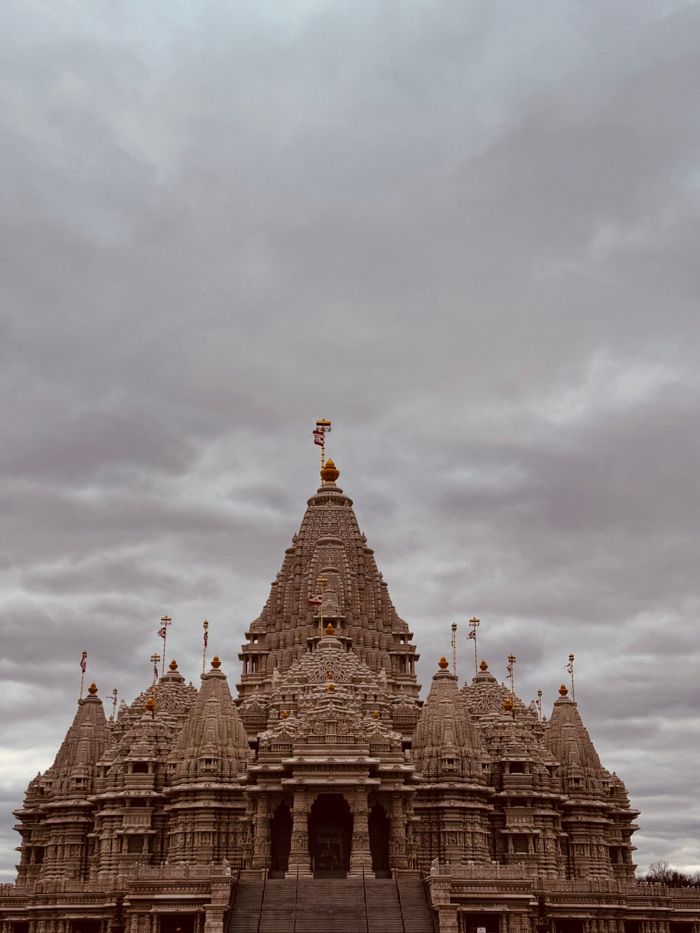
The sacred places every Hindu should visit are far more than famous temples or popular tourist attractions—they are living centers of faith, spirituality, and Sanatan tradition. For centuries, millions of devotees have journeyed across India to seek divine blessings, experience inner peace, and strengthen their spiritual connection with Hinduism. Every pilgrimage offers a unique and meaningful experience, whether it is standing before an ancient Jyotirlinga, taking a holy dip in the sacred waters of the Ganges, or witnessing the grandeur of centuries-old temple traditions and religious rituals.
India is home to countless sacred pilgrimage sites, each deeply connected to the stories and events described in the Ramayana, the Mahabharata, the Puranas, and other revered Hindu scriptures. These holy places preserve a rich cultural heritage, magnificent architecture, and timeless spiritual traditions that continue to inspire the faith and devotion of millions of people.
Whether you’re planning your first pilgrimage or looking to add new destinations to your spiritual journey, this guide introduces some of India’s most revered temples and sacred sites that every Hindu should consider visiting at least once in a lifetime. You’ll also find practical travel information, the best time to visit, and insights into the religious and spiritual significance of each destination to help you plan a truly meaningful pilgrimage.
Why Spiritual Travel Matters
A spiritual journey is about much more than simply visiting sacred places. It is an opportunity for self-reflection, prayer, and reconnecting with ancient spiritual traditions. Pilgrimages encourage qualities such as humility, patience, and gratitude while also allowing travelers to experience India’s rich cultural diversity and religious heritage.
Many of India’s sacred temples have stood for hundreds—even thousands—of years, serving as enduring symbols of faith and devotion. Visiting these holy sites not only enriches your spiritual experience but also supports the local communities that have preserved traditional rituals, craftsmanship, cultural arts, and religious festivals for generations.
Benefits of spiritual travel include:
- Inner peace and self-reflection
- Learning Hindu history and mythology
- Experiencing traditional rituals
- Appreciating India’s cultural diversity
- Strengthening spiritual faith
Kashi Vishwanath Temple, Varanasi
Overview
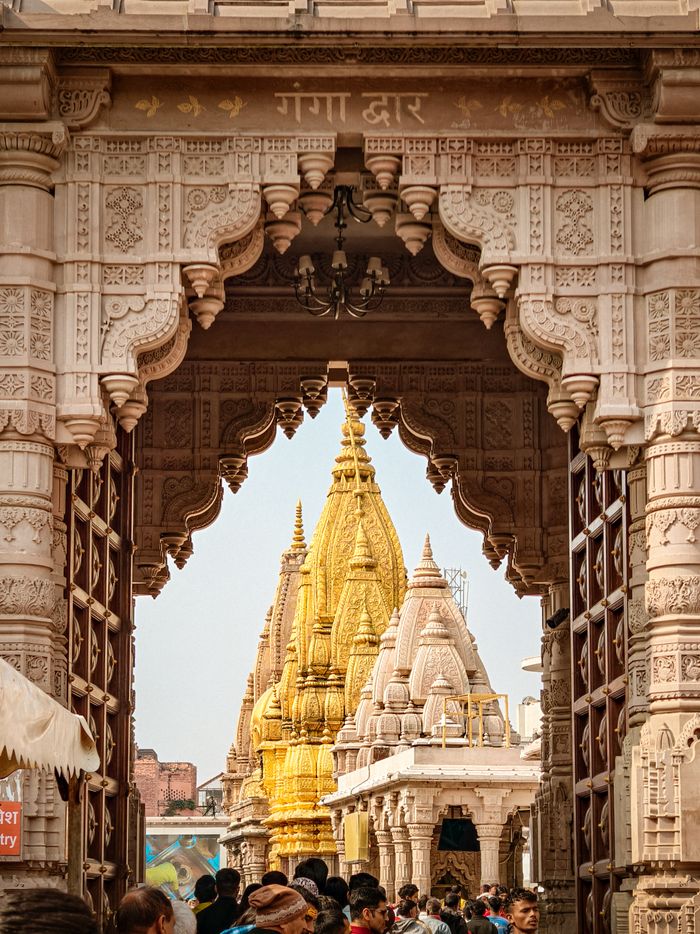
Located on the western bank of the Ganges River, the Kashi Vishwanath Temple is one of the most sacred and revered pilgrimage sites dedicated to Lord Shiva. Varanasi, widely regarded as one of the world’s oldest continuously inhabited cities, holds immense significance in Hinduism and has remained a major center of faith and devotion for centuries.
Historical Background
Throughout its history, the temple has been rebuilt several times. The present-day structure was commissioned in the 18th century by Maharani Ahilyabai Holkar. Today, the temple continues to attract millions of devotees each year because of its profound religious significance and enduring spiritual importance.
Religious Significance
Kashi Vishwanath is one of the twelve Jyotirlingas dedicated to Lord Shiva, making it one of the holiest and most significant pilgrimage sites for Shiva devotees.
According to Hindu tradition, offering prayers at Kashi Vishwanath and taking a sacred dip in the Ganges is believed to purify the soul and help pave the path toward spiritual liberation (moksha).
Mythological Importance
Ancient Hindu scriptures describe Kashi as the sacred city beloved by Lord Shiva and under His divine protection. According to Hindu belief, those who pass away in Kashi are blessed with Lord Shiva’s grace and attain moksha, freeing them from the cycle of birth and rebirth.
Architectural Highlights
- Golden temple spire
- Traditional North Indian temple architecture
- Beautifully decorated sanctum
- Nearby Ganga Ghats
Best Time to Visit
- October to March
- Mahashivratri
- Dev Deepawali
- Kartik Month
Major Festivals
- Mahashivratri
- Shravan Month Celebrations
- Dev Deepawali
- Kartik Purnima
How to Reach
- Nearest Airport: Lal Bahadur Shastri International Airport
- Nearest Railway Station: Varanasi Junction
- Well connected by road from major cities.
Nearby Attractions
- Dashashwamedh Ghat
- Assi Ghat
- Sarnath
- Ganga Aarti
Travel Tips
- Visit early morning to avoid crowds.
- Dress modestly.
- Follow temple security guidelines.
- Keep valuables secure.
Since the Kashi Vishwanath Temple is located in the heart of Varanasi, you can also visit Dashashwamedh Ghat, Assi Ghat, Sarnath, and many of the city’s ancient temples during your trip. For detailed travel information, major attractions, and useful tips, be sure to read our Varanasi Travel Guide: Where Life, Death, and Spirituality Converge.
Local Customs
Before entering the temple, remove your footwear at the designated area and respect the temple’s traditions by maintaining silence and proper decorum throughout the temple premises, especially inside the sanctum.
Badrinath Temple, Uttarakhand
Overview
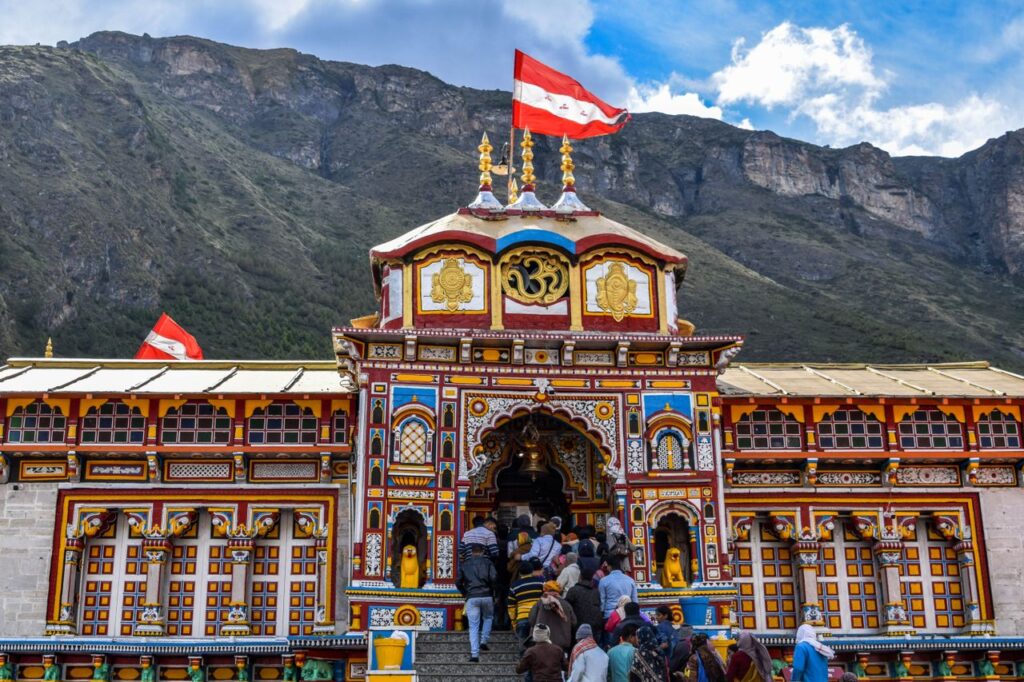
Nestled in the sacred valleys of the Garhwal Himalayas, Badrinath Temple is one of the most important pilgrimage sites dedicated to Lord Vishnu and is a key destination in the revered Char Dham Yatra of Hinduism.
Historical Background
According to tradition, Adi Shankaracharya revived this ancient pilgrimage site in the 8th century and re-established it as one of Hinduism’s most important places of worship.
Religious Significance
Badrinath Temple is regarded as one of the holiest Vaishnavite pilgrimage sites in India. Devotees believe that offering prayers to Lord Badri Vishal at this sacred temple brings spiritual purification and the divine blessings of Lord Vishnu.
Mythological Importance
According to Hindu tradition, Lord Vishnu performed deep penance and meditation at this sacred site, while Goddess Lakshmi took the form of a Badri tree to protect Him from the harsh weather.
Architectural Highlights
- Colorful Himalayan architecture
- Black stone idol of Lord Vishnu
- Scenic mountain backdrop
- Sacred Tapt Kund hot spring
Best Time to Visit
- May to June
- September to October
During the winter months, the doors of Badrinath Temple remain closed because of heavy snowfall, and regular darshan is not available during this period.
Major Festivals
- Mata Murti Ka Mela
- Badri-Kedar Festival
- Vijayadashami
How to Reach
- Nearest Airport: Jolly Grant Airport, Dehradun
- Nearest Railway Station: Rishikesh
- Road access via Joshimath
Nearby Attractions
- Mana Village
- Vasudhara Falls
- Tapt Kund
- Charan Paduka
Travel Tips
- Carry warm clothing.
- Acclimatize properly.
- Book accommodation early during peak season.
- Check weather forecasts before traveling.
Local Customs
Follow the temple’s designated darshan timings and avoid carrying any prohibited items inside the temple premises.
Jagannath Temple, Puri
Overview
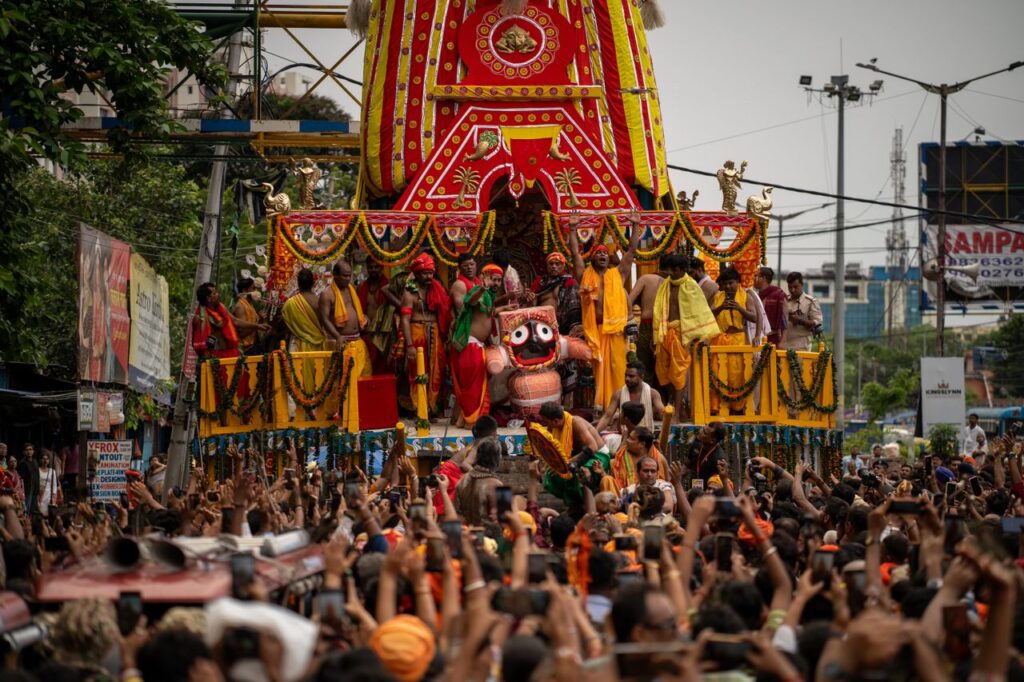
Jagannath Temple is one of the four revered Char Dham pilgrimage sites in Hinduism and is renowned worldwide for its magnificent annual Rath Yatra festival.
Historical Background
Built in the 12th century by King Anantavarman Chodaganga Deva, this magnificent temple continues to stand as a proud symbol of Odisha’s rich spiritual and cultural heritage.
Religious Significance
The temple is dedicated to Lord Jagannath, Lord Balabhadra, and Goddess Subhadra.
Every year, millions of devotees visit the temple to seek the blessings of the deities and partake in the sacred Mahaprasad.
Mythological Importance
According to Hindu tradition, Lord Jagannath is regarded as the compassionate form of Lord Krishna, who lovingly welcomes devotees from all walks of life without any discrimination.
Architectural Highlights
- Massive temple complex
- Kalinga-style architecture
- Sacred kitchen
- Towering Shikhara
Best Time to Visit
- October to February
- Rath Yatra season
Major Festivals
- Rath Yatra
- Snana Purnima
- Chandan Yatra
How to Reach
- Nearest Airport: Bhubaneswar
- Nearest Railway Station: Puri
- Excellent road connectivity
Nearby Attractions
- Puri Beach
- Konark Sun Temple
- Chilika Lake
Travel Tips
- Follow temple dress guidelines.
- Expect heavy crowds during Rath Yatra.
- Taste the famous Mahaprasad.
Local Customs
Only Hindus are permitted to enter the Jagannath Temple. All devotees and visitors are expected to respectfully follow the temple’s rules, local traditions, and religious customs throughout their visit.
Rameswaram Temple, Tamil Nadu
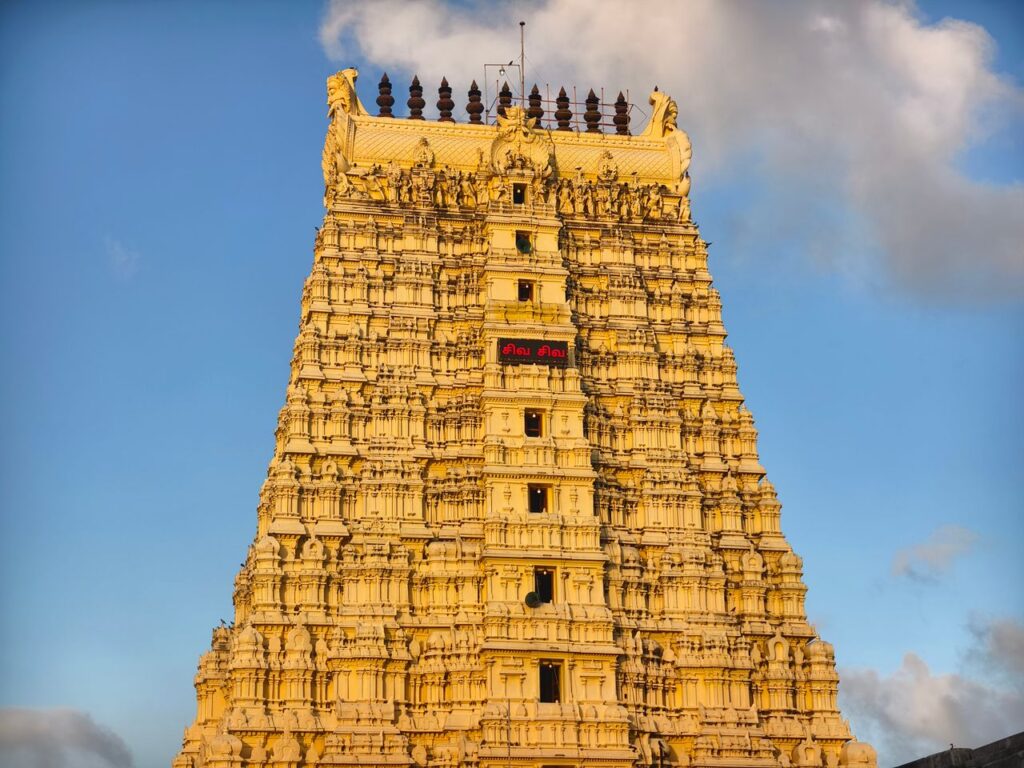
Overview
Located in Rameswaram, the Ramanathaswamy Temple is one of the twelve sacred Jyotirlingas of Lord Shiva and is also one of the principal pilgrimage sites of the revered Char Dham Yatra in Hinduism.
Historical Background
Over the centuries, the temple was expanded and enhanced under the patronage of various South Indian dynasties. Today, it is admired worldwide for its magnificent architecture, particularly its grand and remarkably long pillared corridors.
Religious Significance
According to Hindu tradition, Lord Rama worshipped Lord Shiva at this sacred site before setting out for Lanka.
For this reason, the temple is regarded as a sacred and revered pilgrimage destination by followers of both the Shaivite and Vaishnavite traditions.
Mythological Importance
According to the Ramayana, Lord Rama established a Shiva Linga at this sacred site to seek the blessings of Lord Shiva before defeating Ravana.
Architectural Highlights
- World’s longest temple corridor
- Beautiful carved pillars
- Sacred water tanks
- Dravidian architecture
Best Time to Visit
- October to April
Major Festivals
- Mahashivratri
- Ramalinga Prathishta
- Navratri
How to Reach
- Nearest Airport: Madurai
- Railway Station: Rameswaram
- Connected by the famous Pamban Bridge
Nearby Attractions
- Dhanushkodi
- Pamban Bridge
- Agni Theertham
- Abdul Kalam Memorial
Travel Tips
- Carry light cotton clothes.
- Participate in the sacred water rituals if desired.
- Start your visit early in the morning.
Local Customs
According to tradition, devotees take a ritual bath in the sacred theertham wells located within the temple complex before offering prayers and having darshan.
Kedarnath Temple, Uttarakhand
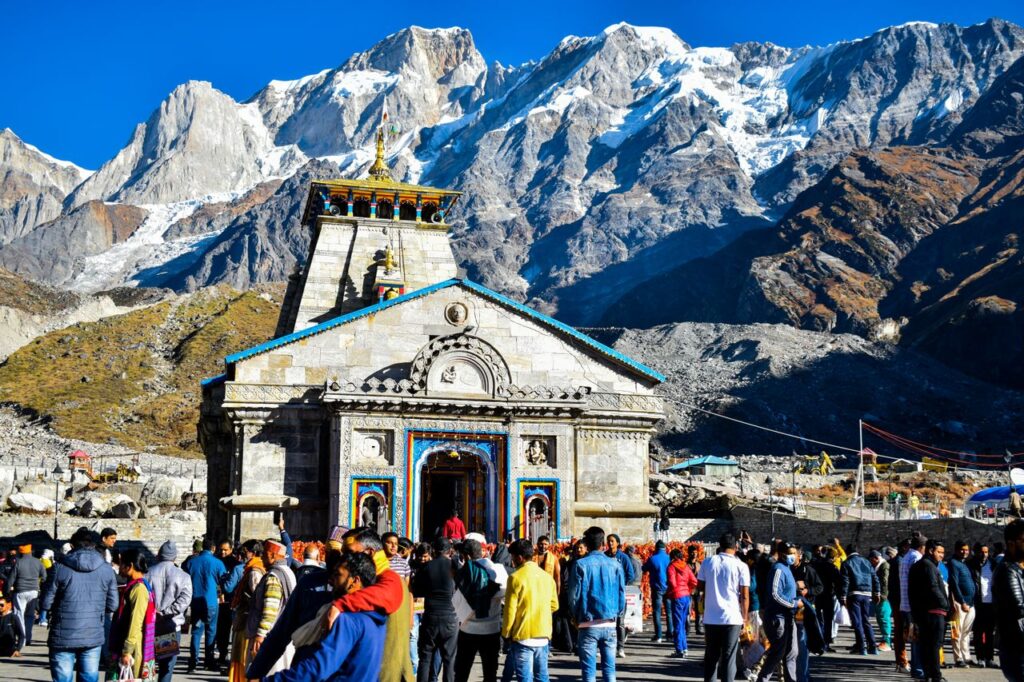
Overview
Nestled in the majestic Himalayas, Kedarnath Temple is regarded as one of the holiest pilgrimage sites dedicated to Lord Shiva and is an important stop on the revered Char Dham Yatra.
Historical Background
According to Hindu tradition, the original Kedarnath Temple was built by the Pandavas and was later restored by Adi Shankaracharya in the 8th century. Despite the harsh Himalayan climate and challenging natural conditions, the temple continues to stand as an enduring symbol of unwavering faith, devotion, and the timeless traditions of Sanatana Dharma.
Religious Significance
Kedarnath is one of the twelve sacred Jyotirlingas of Lord Shiva and is considered an extremely holy and significant pilgrimage site for devotees who seek the blessings of Lord Shiva.
Mythological Importance
According to traditions mentioned in the Mahabharata, after the Kurukshetra war, the Pandavas traveled to Kedarnath to seek forgiveness from Lord Shiva and atone for their actions.
Architectural Highlights
- Ancient stone temple
- Snow-covered Himalayan surroundings
- Traditional Himalayan architecture
- Sacred Mandakini River nearby
Best Time to Visit
- May to June
- September to October
Major Festivals
- Opening Ceremony
- Badri-Kedar Festival
- Mahashivratri
How to Reach
- Nearest Airport: Dehradun
- Railway Station: Rishikesh
- Trek from Gaurikund
Nearby Attractions
- Bhairavnath Temple
- Vasuki Tal
- Gaurikund
Travel Tips
- Prepare for high-altitude trekking.
- Carry rain gear and warm clothing.
- Book helicopter or accommodation in advance during peak season.
Local Customs
During the Kedarnath pilgrimage, respect the sacred atmosphere of the temple and follow all religious customs and traditions. Adhere to trekking rules and guidelines, and avoid littering to help preserve the natural beauty of the Himalayan region.
Tirupati Balaji Temple, Andhra Pradesh
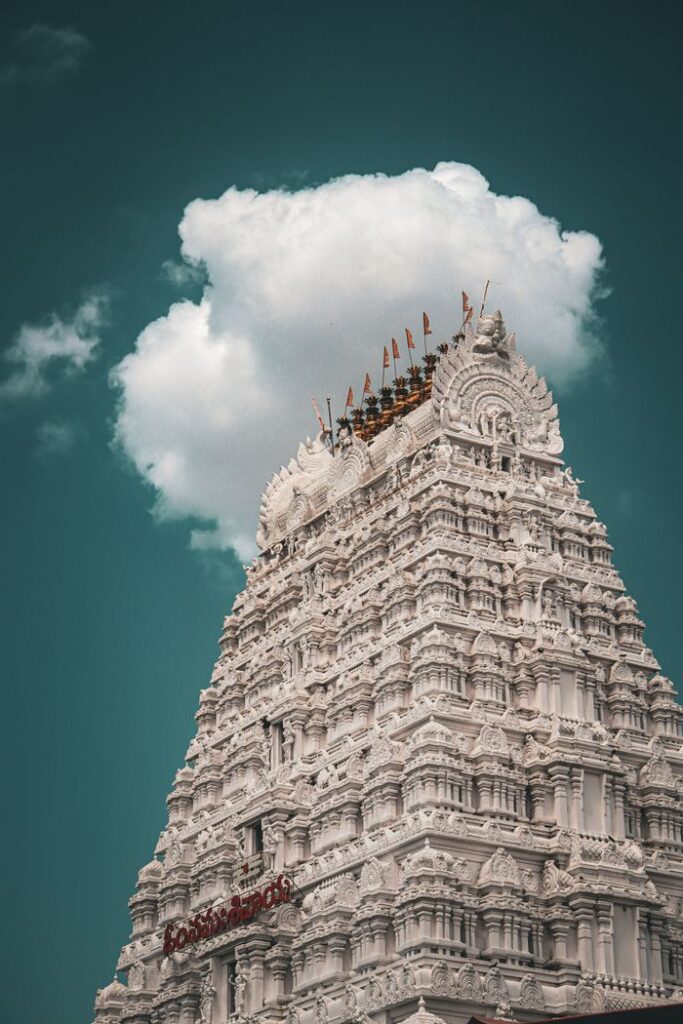
Overview
Located on the Tirumala Hills, the Tirupati Balaji Temple is considered one of the most visited pilgrimage sites in the world. Dedicated to Lord Venkateswara, a revered form of Lord Vishnu, the temple attracts millions of devotees every year who come here seeking prosperity, inner peace, and divine blessings.
Historical Background
The history of this temple dates back more than a thousand years. Inscriptions from the Pallava, Chola, and Vijayanagara dynasties highlight its ancient heritage and religious significance. Due to centuries of generous patronage and the devotion of countless pilgrims, Tirumala has become one of the wealthiest and most well-maintained temple complexes in India.
Religious Significance
It is believed that Lord Venkateswara fulfills the sincere wishes of his devotees. Offering prayers, donating hair as a symbol of faith and surrender, and participating in the temple’s religious rituals are considered acts of devotion that bring spiritual merit.
Mythological Importance
According to Hindu tradition, Lord Vishnu is believed to have incarnated at Tirumala as Lord Venkateswara to guide and protect humanity during the Kali Yuga. This belief makes the temple one of the most important and revered pilgrimage sites in the Vaishnavite tradition.
Architectural Highlights
- Classic Dravidian architecture
- Magnificent golden Ananda Nilayam tower
- Beautiful temple complex
- Ancient stone carvings
Best Time to Visit
- September to March
- During Brahmotsavam (for devotees who don’t mind large crowds)
Major Festivals
- Brahmotsavam
- Vaikuntha Ekadashi
- Rathasapthami
How to Reach
- Nearest Airport: Tirupati Airport
- Nearest Railway Station: Tirupati
- Regular buses operate to Tirumala Hills.
Nearby Attractions
- Sri Padmavathi Temple
- Kapila Theertham
- Sri Kalahasti Temple
Travel Tips
- Book darshan tickets in advance.
- Carry valid identification.
- Follow the temple’s dress code.
- Stay hydrated while climbing the hill.
Local Customs
Many devotees offer their hair as an expression of gratitude, faith, and humility. Visitors coming for darshan should respect the temple’s traditions and religious customs while maintaining discipline and peace throughout the temple premises.
Vaishno Devi Temple, Jammu & Kashmir
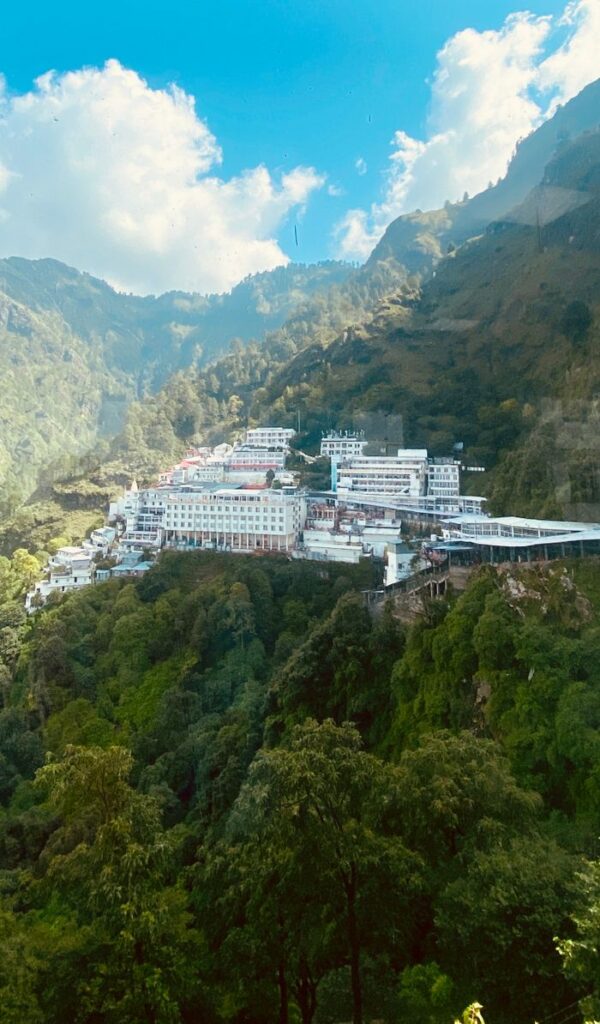
Overview
Located in the sacred embrace of the Trikuta Hills, the Vaishno Devi Temple is considered one of the most famous and most visited pilgrimage sites in India. Every year, millions of devotees undertake this holy journey to seek the darshan and blessings of Mata Vaishno Devi.
Historical Background
This sacred pilgrimage site has welcomed devotees for centuries and continues to stand as a powerful symbol of unwavering faith, devotion, and spiritual belief.
Religious Significance
This temple represents the combined divine energies of Mahakali, Mahalakshmi, and Mahasaraswati. Devotees believe that Mata Vaishno Devi fulfills the sincere prayers and wishes of her devotees.
Mythological Importance
According to mythological beliefs, Mata Vaishno Devi performed penance in this sacred cave before defeating the demon Bhairavnath.
Architectural Highlights
- Natural cave shrine
- Scenic Himalayan surroundings
- Well-developed pilgrimage facilities
Best Time to Visit
- March to October
- Navratri is especially significant.
Major Festivals
- Chaitra Navratri
- Sharad Navratri
How to Reach
- Airport: Jammu
- Railway Station: Shri Mata Vaishno Devi Katra
- Trek begins from Katra.
Nearby Attractions
- Bhairon Temple
- Ardhkuwari Cave
- Shiv Khori
Travel Tips
- Wear comfortable trekking shoes.
- Carry warm clothing during winter.
- Use official registration services.
Local Customs
During the pilgrimage, follow the queue system for darshan and avoid carrying any prohibited items in accordance with the temple rules.
Somnath Temple, Gujarat
Overview
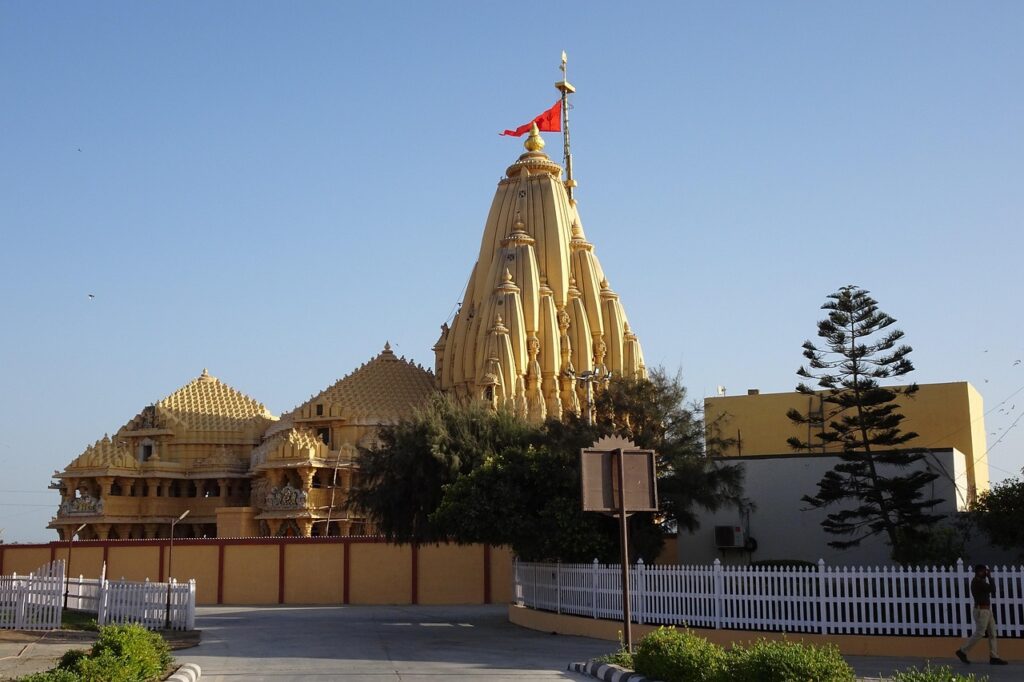
Located on the western coast of Gujarat, the Somnath Temple stands as a symbol of grandeur and devotion and is considered the first among the twelve Jyotirlingas of Lord Shiva.
Historical Background
Throughout history, this temple has been rebuilt several times, symbolizing its resilience, spiritual significance, and unwavering faith.
Religious Significance
Devotees believe that worshipping Lord Shiva here brings peace of mind, prosperity, and spiritual growth.
Mythological Importance
According to belief, after worshipping Lord Shiva at Somnath, Chandra Dev (the Moon God) regained his lost radiance.
Architectural Highlights
- Chalukya-style architecture
- Seaside location
- Intricate carvings
- Grand temple complex
Best Time to Visit
- October to February
Major Festivals
- Mahashivratri
- Kartik Purnima
How to Reach
- Airport: Diu or Rajkot
- Railway Station: Veraval
Nearby Attractions
- Triveni Sangam
- Bhalka Tirth
- Somnath Beach
Travel Tips
Visit the temple in the evening and enjoy the famous light and sound show at Somnath, which beautifully showcases the temple’s history and spiritual significance.
Dwarkadhish Temple, Gujarat
Overview
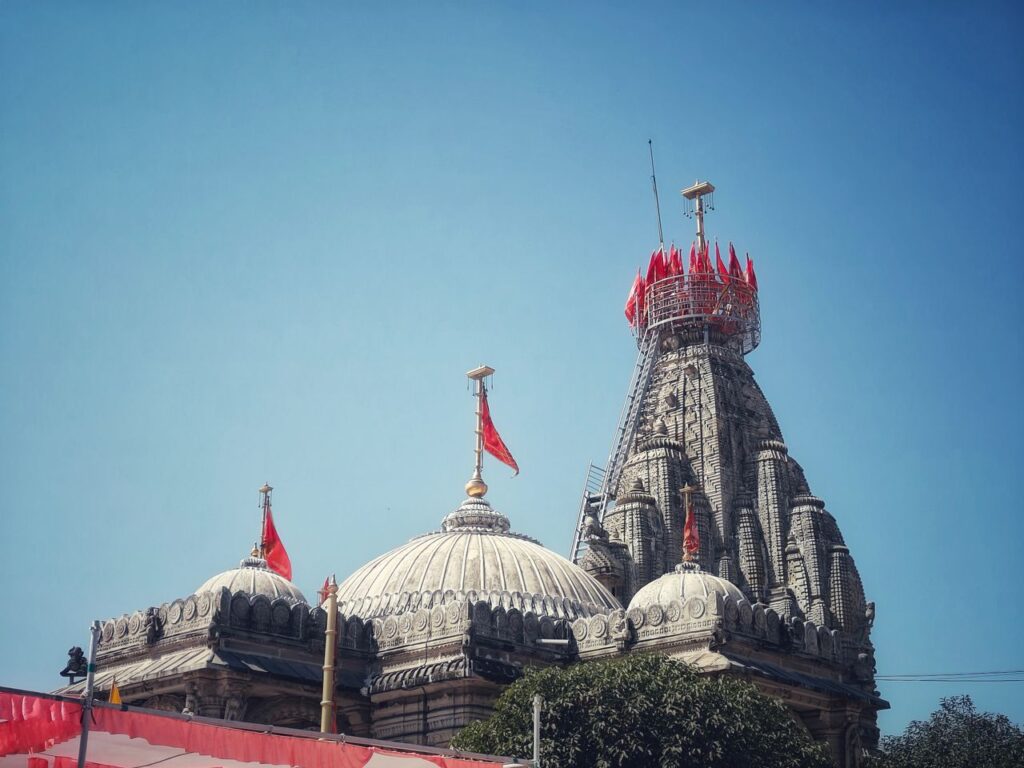
Dwarka is one of the revered Char Dham pilgrimage sites for Hindus and is believed to be the sacred city of Lord Krishna, associated with his divine kingdom.
Historical Background
According to belief, this temple is located near the ancient city that was established by Lord Krishna after he left Mathura.
Religious Significance
The Dwarkadhish Temple is considered one of the most important and revered pilgrimage sites for devotees of Lord Krishna in India.
Mythological Importance
Ancient Hindu scriptures describe Dwarka as the divine city and sacred kingdom of Lord Krishna.
Architectural Highlights
- Five-story temple
- Intricate stone carvings
- Beautiful flag ceremony
Best Time to Visit
- October to March
Major Festivals
- Janmashtami
- Holi
- Diwali
Nearby Attractions
- Bet Dwarka
- Nageshwar Jyotirlinga
- Gomti Ghat
Travel Tips
For a memorable spiritual experience, attend the morning Mangala Aarti and immerse yourself in the temple’s divine devotion and peaceful atmosphere.
Mahakaleshwar Temple, Ujjain
Overview
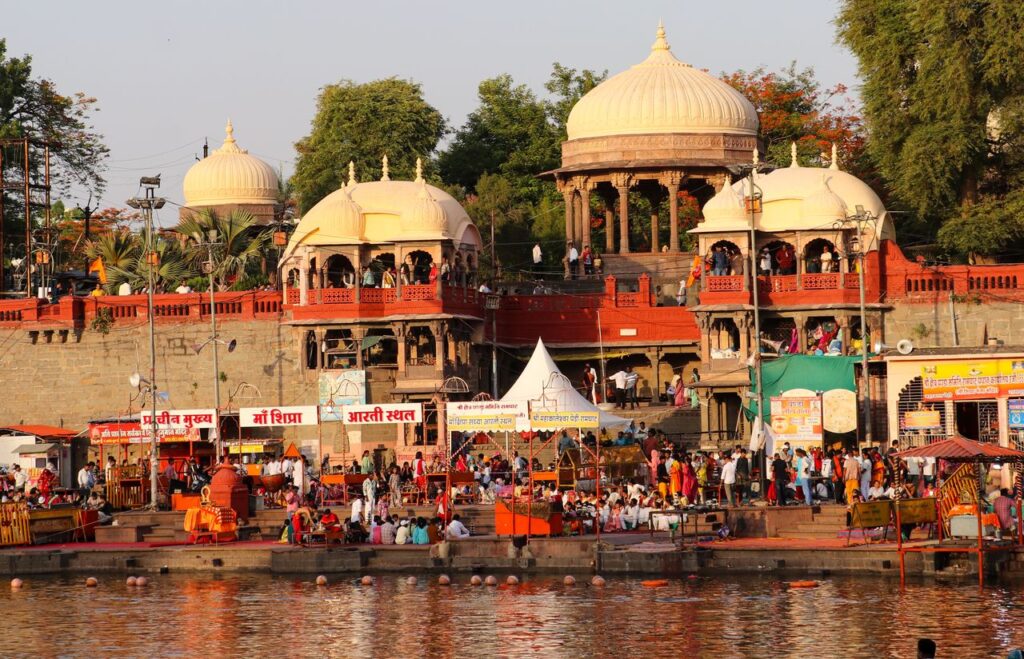
The Mahakaleshwar Temple is one of the twelve Jyotirlingas of Lord Shiva and is renowned worldwide for its unique Bhasma Aarti.
Historical Background
This temple has been a major center of Shaiva tradition, Lord Shiva’s worship, and spiritual practices for centuries.
Religious Significance
Lord Mahakal is worshipped as the Lord of Time and the protector of his devotees.
Mythological Importance
Ancient legends state that Lord Shiva appeared at this sacred place to defeat a powerful demon and protect his devotees.
Architectural Highlights
- Multi-level temple
- Ancient stone carvings
- Sacred Shiva Lingam
Best Time to Visit
- October to March
Major Festivals
- Mahashivratri
- Shravan Month
Nearby Attractions
- Kal Bhairav Temple
- Ram Ghat
- Harsiddhi Temple
Travel Tips
Book your entry for the Bhasma Aarti in advance to participate in this sacred ritual.
Meenakshi Amman Temple, Tamil Nadu
Overview
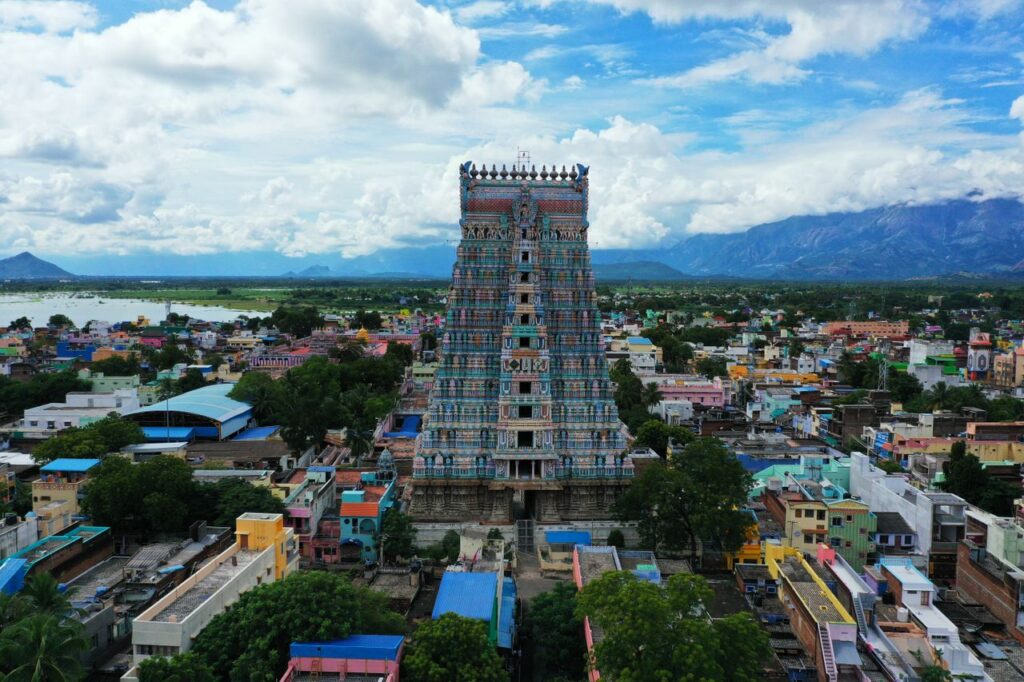
The Meenakshi Temple in Madurai is renowned for its magnificent architecture, intricate craftsmanship, and vibrant spiritual atmosphere.
Historical Background
During the reign of the Nayaka rulers, the temple underwent significant development and expansion and remains a celebrated masterpiece of Dravidian architecture to this day.
Religious Significance
Dedicated to Goddess Meenakshi and Lord Sundareswarar, this temple is considered a symbol of divine love, marital harmony, and spiritual unity.
Architectural Highlights
- Colorful gopurams
- Thousands of sculptures
- Hall of Thousand Pillars
Best Time to Visit
- October to March
Major Festivals
- Meenakshi Thirukalyanam
- Chithirai Festival
Nearby Attractions
- Thirumalai Nayakkar Palace
- Gandhi Memorial Museum
Travel Tips
To avoid crowds and have a peaceful darshan experience, it is best to visit the temple early in the morning.
Kamakhya Temple, Assam
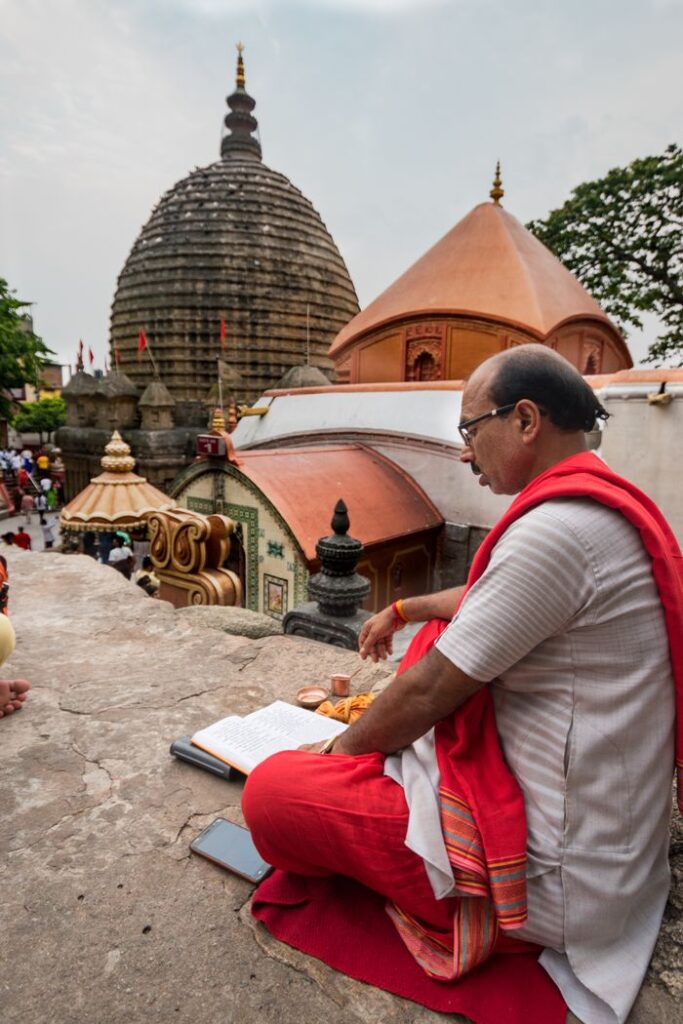
Overview
The Kamakhya Temple is considered one of the most revered Shakti Peethas in India and is situated atop Nilachal Hill in Guwahati.
Historical Background
The temple has been rebuilt several times throughout history while preserving its ancient spiritual significance and sacred traditions.
Religious Significance
The temple is dedicated to Goddess Kamakhya and holds special religious and spiritual significance in the tradition of Shakti worship.
Mythological Importance
This temple is associated with ancient mythological traditions related to Goddess Sati and the sacred Shakti Peethas.
Architectural Highlights
- Distinctive Nilachal architecture
- Ancient sanctum
- Scenic hilltop location
Best Time to Visit
- October to April
Major Festivals
- Ambubachi Mela
- Durga Puja
Nearby Attractions
- Umananda Temple
- Brahmaputra River
- Assam State Museum
Travel Tips
During the Ambubachi Mela, a large number of devotees gather, so it is advisable to arrange accommodation and make bookings in advance for a convenient pilgrimage experience.
Comparison Table
| Sacred Place | State | Main Deity | Best Time | Famous Festival |
|---|---|---|---|---|
| Kashi Vishwanath | Uttar Pradesh | Lord Shiva | Oct–Mar | Mahashivratri |
| Badrinath | Uttarakhand | Lord Vishnu | May–Oct | Badri-Kedar Festival |
| Kedarnath | Uttarakhand | Lord Shiva | May–Oct | Temple Opening Ceremony |
| Jagannath Puri | Odisha | Lord Jagannath | Oct–Feb | Rath Yatra |
| Rameswaram | Tamil Nadu | Lord Shiva | Oct–Apr | Mahashivratri |
| Tirupati | Andhra Pradesh | Lord Venkateswara | Sep–Mar | Brahmotsavam |
| Vaishno Devi | Jammu & Kashmir | Mata Vaishno Devi | Mar–Oct | Navratri |
| Somnath | Gujarat | Lord Shiva | Oct–Feb | Mahashivratri |
| Dwarka | Gujarat | Lord Krishna | Oct–Mar | Janmashtami |
| Mahakaleshwar | Madhya Pradesh | Lord Shiva | Oct–Mar | Mahashivratri |
| Meenakshi Temple | Tamil Nadu | Goddess Meenakshi | Oct–Mar | Chithirai Festival |
| Kamakhya Temple | Assam | Goddess Kamakhya | Oct–Apr | Ambubachi Mela |
Essential Travel Tips for Spiritual Pilgrimages
Dress Code
- Wear modest and comfortable clothing.
- Cover shoulders and knees where required.
- Remove footwear before entering temple premises.
Temple Etiquette
- Follow the queue system.
- Maintain silence inside the sanctum.
- Respect local customs and rituals.
Photography Rules
- Photography is restricted in many temples.
- Always follow official guidelines.
- Ask for permission where necessary.
Safety Tips
- Carry essential medicines.
- Keep valuables secure.
- Stay hydrated, especially during summer pilgrimages.
Budget Tips
- Book hotels and transportation early.
- Travel during weekdays for fewer crowds.
- Use official temple accommodation when available.
Seasonal Advice
- Himalayan temples are best visited during the summer months.
- Coastal temples are pleasant during winter.
- Check weather conditions before planning your journey.
Frequently Asked Questions (FAQs)
1. Which are the most sacred places every Hindu should visit?
Kashi Vishwanath, Badrinath, Kedarnath, Jagannath Puri, Rameshwaram, Tirupati Balaji, Vaishno Devi, Somnath, Dwarkadhish, Mahakaleshwar, Meenakshi Temple, and Kamakhya Temple are among the most renowned and revered pilgrimage sites in India.
2. Which pilgrimage is part of the Char Dham Yatra?
Badrinath, Dwarka, Jagannath Puri, and Rameshwaram together form the traditional Char Dham pilgrimage circuit of Hinduism.
3. When is the best time for spiritual travel in India?
In general, the weather from October to March is favorable for visiting most pilgrimage sites, while the Himalayan temples are primarily accessible between May and October.
4. Why is Kashi considered so sacred?
According to Hindu beliefs, Lord Shiva himself resides in Kashi, and sincere worship offered here is believed to guide devotees toward spiritual growth and the path to liberation (moksha).
5. Are these temples suitable for family travel?
Yes. Most major pilgrimage sites provide essential facilities for families, senior citizens, and children. However, reaching some Himalayan pilgrimage sites may require a short trek or a limited amount of walking.
6. What should I wear when visiting Hindu temples?
It is advisable to wear simple, modest, and respectful attire. Some temples may have a specific dress code, so it is recommended to check the temple’s rules and guidelines before your visit.
7. Can non-Hindus visit all temples?
Each temple has its own rules and traditions. While many temples welcome people of all faiths, some may have specific entry regulations or restrictions. Therefore, it is always advisable to check the temple’s entry rules and guidelines before planning your visit.
8. How can I make my pilgrimage more meaningful?
Respect local traditions and religious customs, and participate in them with reverence whenever appropriate. Take time to learn about the temple’s history and cultural significance, help keep the परिसर clean, and instead of rushing through your visit, spend a few peaceful moments experiencing its spiritual atmosphere.
Conclusion
Visiting these sacred pilgrimage sites, regarded as among the most important in Hinduism, is far more than simply checking destinations off a travel list. It is a meaningful journey into India’s rich spiritual heritage, culture, and timeless traditions. From the eternal ghats of Varanasi and the snow-clad peaks of Kedarnath to the tranquil shores of Rameswaram and the vibrant religious traditions of Jagannath Puri, each pilgrimage site offers its own unique spiritual identity and inspiration. Every journey deepens devotion, connects visitors with history, and provides an opportunity to understand centuries-old beliefs and traditions.
These sacred places not only reflect the diversity and richness of Hindu culture but also convey a universal message of devotion, compassion, selfless service, and self-discovery. Whether your goal is to seek inner peace, explore ancient mythology and traditions, or experience India’s remarkable spiritual heritage, these pilgrimage sites offer unforgettable experiences and lasting inspiration.
Before planning your pilgrimage, be sure to check the temple timings, seasonal weather conditions, and official travel advisories. Respect local traditions, religious customs, and cultural values, help maintain cleanliness, and practice responsible tourism to preserve these sacred heritage sites for future generations.
May your spiritual journey be filled with peace, devotion, wisdom, and divine blessings.